Why Candidates Get Rejected in SSB Interview. The Services Selection Board (SSB) interview is one of the most comprehensive selection processes for candidates aspiring to become officers in the Indian Armed Forces. It does not assess only academic knowledge, physical fitness or communication skills. Instead, candidates are evaluated on their personality, decision-making ability, social adaptability, sense of responsibility and leadership potential.
Many aspirants practise individual tests and memorise impressive answers but still fail to receive a recommendation. This usually happens because they misunderstand what the SSB is designed to assess.
The board is not looking for a flawless or rehearsed personality. It looks for a trainable, balanced and authentic candidate who demonstrates Officer-Like Qualities consistently.
If you are preparing for NDA, CDS, AFCAT, NCC Special Entry, SSC Tech or another defence entry, understanding these common SSB interview mistakes can significantly improve your preparation.
1. Why Candidates Get Rejected in SSB Interview: Presenting a Fake or Rehearsed Personality
One of the biggest reasons Why Candidates Get Rejected in SSB Interview is trying to behave like their idea of a “perfect officer.” They memorise impressive answers, copy recommended candidates and create artificial stories to hide their weaknesses.
The SSB assessment is conducted through three different techniques: psychology tests, GTO tasks and the personal interview. Understanding Why Candidates Get Rejected in SSB Interview is important because assessors observe the same candidate from different perspectives, making inconsistencies more likely to become visible.
A quality claimed during the interview should also be reflected in the candidate’s written responses, group behaviour and actions.
Be honest about your achievements, failures and areas for improvement. Understanding Why Candidates Get Rejected in SSB Interview can help aspirants recognise that authenticity does not mean appearing without preparation; it means presenting the best version of their real personality.
2. Poor Self-Awareness
Candidates frequently know a great deal about the Armed Forces but cannot answer basic questions about themselves. This is one of the factors explaining Why Candidates Get Rejected in SSB Interview, as they may struggle to explain their strengths, weaknesses, responsibilities, friendships, family background, academic performance and personal goals.
Self-awareness is essential because an officer must understand personal capabilities and limitations.
Before appearing for the SSB interview, carefully review your Personal Information Questionnaire. Reflect on important events in your life and identify genuine examples that demonstrate:
- Initiative
- Teamwork
- Responsibility
- Leadership
- Problem-solving
- Learning from failure
Avoid claiming generic strengths such as “I am hardworking” unless you can support them with real-life examples.
3. Weak Communication and Listening Skills
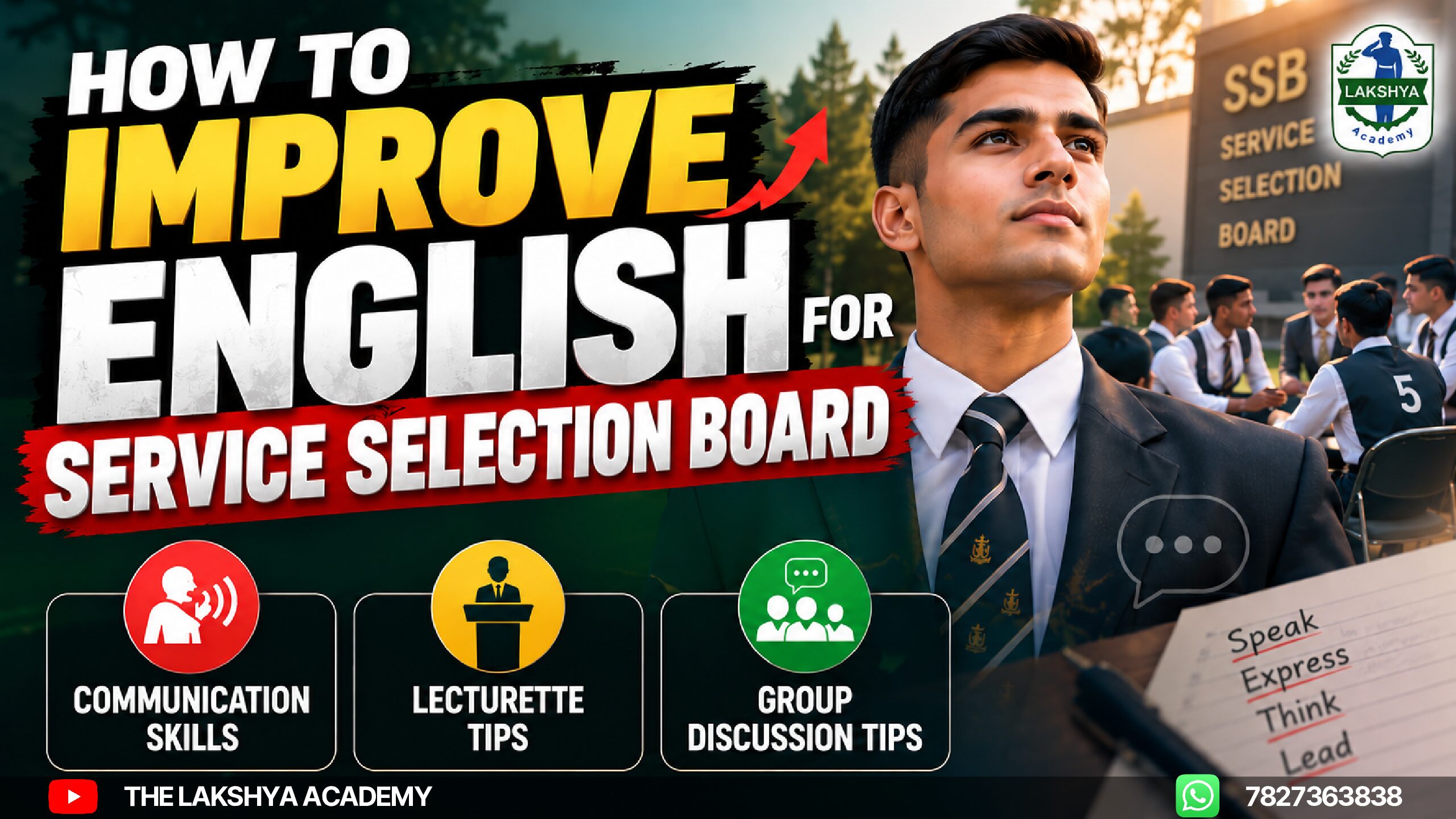
Effective communication does not mean speaking English with a particular accent or using complicated vocabulary. Understanding Why Candidates Get Rejected in SSB Interview also highlights the importance of presenting ideas clearly, confidently and logically while listening to others.
During PPDT, group discussions, lecturette and planning exercises, some candidates remain completely silent. Others constantly interrupt or try to dominate the group. These behaviours are among the factors that explain Why Candidates Get Rejected in SSB Interview, as both can negatively affect performance.
Speak when you have a relevant point, keep your arguments concise and acknowledge useful ideas offered by other candidates.
A future officer should be able to express an opinion confidently without disrespecting the group.
4. Lack of Participation or Excessive Dominance in GTO Tasks
GTO tasks evaluate how candidates behave and contribute within a team. Understanding Why Candidates Get Rejected in SSB Interview is important because merely shouting instructions, rushing ahead or preventing others from participating does not demonstrate effective leadership.
Similarly, remaining passive and waiting for others to solve every problem limits the assessor’s opportunity to observe your qualities.
Effective participation lies between these two extremes. Candidates should:
- Understand the task before taking action.
- Offer practical and relevant ideas.
- Support other group members.
- Take initiative whenever required.
- Follow the rules of every activity.
- Remain energetic and cooperative.
The strongest candidate is often the person who helps the entire group progress-not necessarily the loudest person.
5. Giving Impractical Responses in Psychology Tests
In TAT, WAT and SRT, some candidates write unrealistic heroic responses because they believe every situation requires an extraordinary action. Others leave too many responses incomplete because of insufficient practice or poor time management. These are common factors behind Why Candidates Get Rejected in SSB Interview, making realistic responses and effective time management important during preparation.
Psychology tests are designed to reveal natural patterns of thought and behaviour. Your responses should be positive and action-oriented, but they must also be practical.
Avoid memorising fixed sentences or forcing Officer-Like Qualities into every answer. Regular timed practice can improve your speed and clarity. Understanding Why Candidates Get Rejected in SSB Interview can help aspirants prepare better, but preparation should help them express their natural thinking more effectively—not manufacture an artificial personality.
6. Inadequate General Awareness and Service Knowledge
An aspirant who wants to join the Armed Forces should possess a reasonable understanding of national and international events, defence developments and the service for which they have applied.
Candidates may be asked about:
- Their preferred service and branch
- Training academies
- Basic rank structures
- Major military commands
- Important weapon systems
- Current national security issues
- Responsibilities associated with their preferred branch
- Vague answers may indicate a lack of genuine motivation.
Read a reliable newspaper regularly, follow important defence developments and develop balanced opinions on current issues. Most importantly, understand why you want to join the Armed Forces and how your chosen service aligns with your interests and abilities.
7. Ignoring Fitness, Discipline and Basic Conduct
Physical fitness alone does not guarantee selection, but poor stamina can reduce participation and confidence during outdoor tasks. Understanding Why Candidates Get Rejected in SSB Interview also means recognising the importance of physical readiness, so candidates should gradually develop endurance, strength and agility before reporting to the SSB centre.
Basic conduct is equally important throughout the stay. Punctuality, appropriate dress, respectful interaction, cleanliness and compliance with instructions reflect discipline.
Develop a consistent routine before your SSB. Understanding Why Candidates Get Rejected in SSB Interview can help you prepare better by arriving with the required documents, sleeping adequately and maintaining your composure even when a task does not go according to plan.
How to Avoid SSB Rejection
Effective SSB preparation begins with personality development rather than memorisation. Work consistently on communication, current affairs, physical fitness, self-awareness and group participation.
Practise the different test formats under time limits, but always retain originality in your responses.
After every practice session, ask yourself:
- Did I contribute a useful idea?
- Did I listen to the group?
- Was my response practical?
- Was my behaviour consistent?
- Could I support my claims with real examples?
- Did I remain calm after making a mistake?
Do not try to display every Officer-Like Quality in every activity. Instead, develop habits that allow these qualities to appear naturally.
Prepare for SSB with The Lakshya Academy
The Lakshya Academy provides structured SSB interview guidance in Delhi for defence aspirants preparing for screening, psychology tests, GTO tasks, personal interviews and conferences.
The objective is to help candidates understand the assessment process, recognise their areas for improvement and develop a confident and natural approach.
With experienced guidance, realistic practice and personalised feedback, aspirants can prepare for the SSB interview without depending on memorised responses. The focus should always remain on improving the individual—not creating a temporary personality for five days.
Conclusion
SSB rejection does not necessarily mean that a candidate lacks potential. It indicates that the required qualities were not demonstrated sufficiently or consistently during that particular assessment.
Avoid pretending, understand yourself, contribute constructively, remain practical and prepare with a clear understanding of the selection process.
Your goal should not be to impress the assessors through a rehearsed performance. It should be to become a responsible, confident and effective individual who is genuinely prepared for the demands of military leadership.