A practical, step-by-step guide to entering India’s defence services – from eligibility and exam choices to fitness, SSB success. Expert tips from The Lakshya Academy.
Intro — Why a clear Defence Path matters
Choosing a career in the defence forces is a noble decision that needs planning, discipline and the right guidance. Whether you aim for NDA, CDS, AFCAT, CAPF or the state police services, a step-by-step roadmap cuts confusion and builds momentum. At The Lakshya Academy, we train your mind — you take the decision. This article gives a practical, chronological plan you can follow.
Step 1 — Choose the right entry route
Start by matching your age, education and long-term goals to the correct entry exam:
NDA (National Defence Academy) — For 10+2 students (male), entry into Army/ Navy/ Air Force wings after 12th.
AFCAT (Air Force Common Admission Test) — For graduates aiming for flying/ground duties in IAF.
CDS (Combined Defence Services) — For graduates for IMA, OTA, AFA, INA.
Action: Check eligibility, important dates and apply early. Keep photocopies of certificates and identity proofs ready.
Step 2 — Build a study plan (Academic preparation)
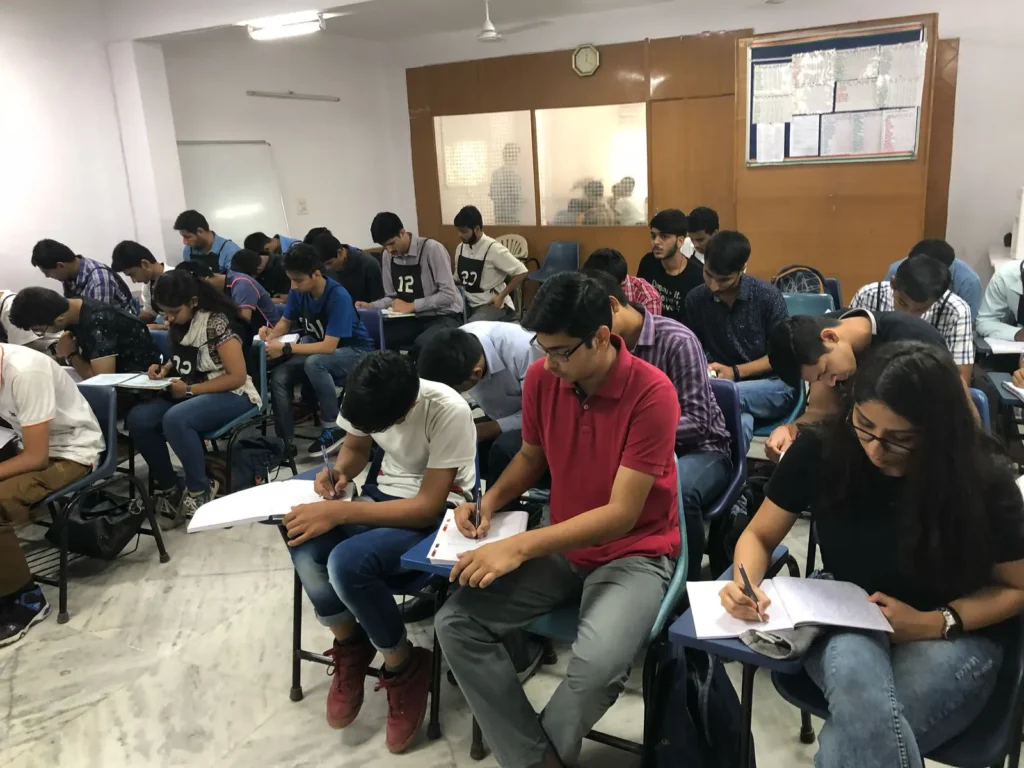
“A clear path, a strong mind, and daily effort — that’s how warriors are made.”
A focused study plan wins exams:
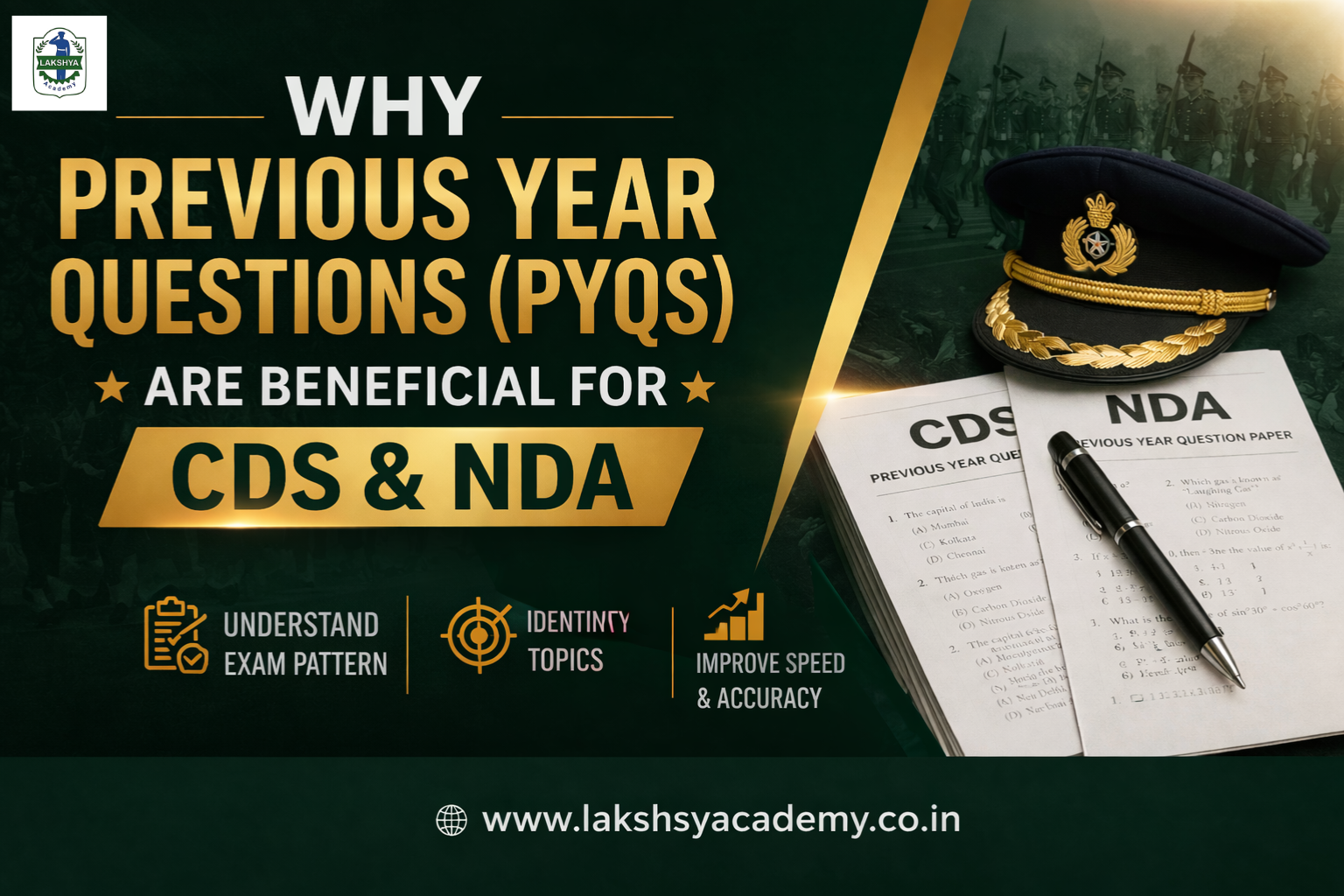
Syllabus & past papers: Start with the official syllabus. Solve at least 20–30 past papers to detect patterns.
Concept-first learning: Concentrate on fundamentals (Physics/Maths/Reasoning and General Knowledge). Use concise notes.
Timed practice: Simulate full-length tests weekly to build speed and accuracy.
Revision schedule: Use the 2:1 rule — two days learning, one day revising.
Tip: Quality coaching or structured online modules speed progress. The Lakshya Academy offers targeted modules and mock tests to track improvements.
Step 3 — Physical fitness
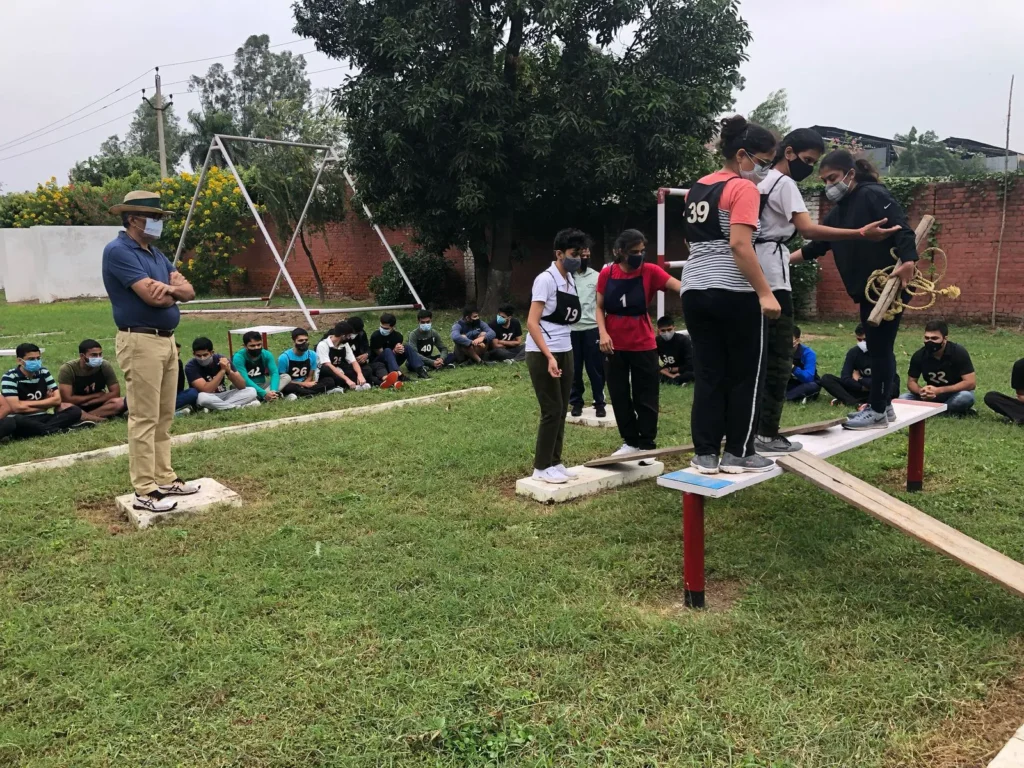
“Fitness is not a task, it’s a commitment to the soldier you want to become.”
Physical standards vary by service, but all require consistent conditioning:
Daily routine: Running (3–6 km), interval sprints, push-ups, sit-ups and chin-ups. Add flexibility and core workouts.
PT targets: Aim for comfortable times above minimum—e.g., 1.6 km under 7 minutes (varies by exam & gender).
Step 4 — Personality development & communication
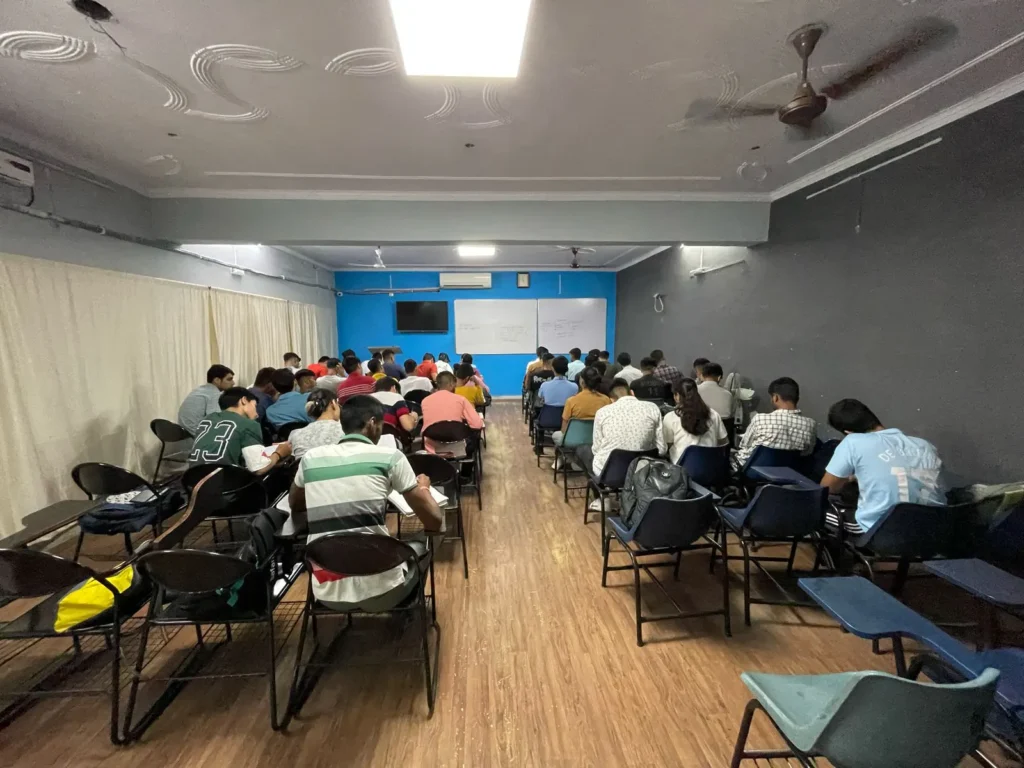
“A strong personality leads, and a clear voice inspires — together they create an officer.”
The SSB and interviews assess personality, leadership, and communication — not just book knowledge:
Group tasks & leadership practice: Participate in group discussions, team sports and leadership exercises.
Mock SSBs: Practice PPDT, individual tasks, GTO activities and personal interviews under real-time conditions.
English & Hindi clarity: Work on concise, confident answers. Improve storytelling for the personal interview.
The Lakshya Academy tip: Regular feedback after mock SSB rounds rapidly improves performance.
Step 5 — Cracking SSB & interviews
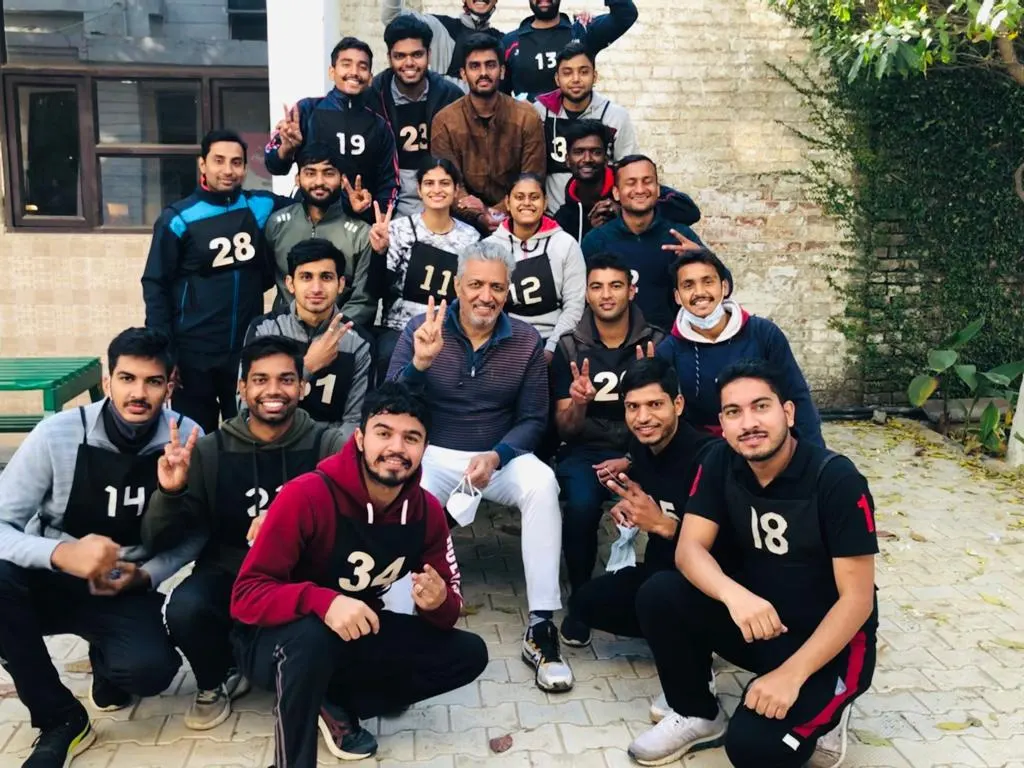
“Clear thoughts, calm mind, confident actions — that’s how you crack the SSB.”
SSB is a multi-stage assessment:
Stage I: Screening tests (Officer Intelligence Rating + Picture Perception & Description). Clear these to proceed.
Stage II: Psychological tests, GTO, personal interview and conference. Consistency is the key.
Mindset: Be honest, decisive and cooperative in group tasks. Leadership is shown by helping the team succeed, not dominating it.
Practice: Daily short mental exercises, mock interviews, and group activity simulations.
Over-reliance on last-minute cramming.
Neglecting physical training until late.
Ignoring mock SSBs or feedback loops.
Poor document organization.
Quick resources checklist